Life transitions
A new chapter, a role that no longer fits, a decision you keep circling. We make sense of what's changing and what comes next.
Day SixTherapy
Online therapy for adults in Texas
You seem like you have it all together. You also know something's off: the short fuse, the overthinking, the doomscrolling, the motivation that won't show up, the healing you keep putting off. Let's work on what's next.
Life transitions and identity: the stretch between who you've been and who you're becoming, and the anxiety, depression and relationship strain that sometimes show up with it.
Adults and couples across Texas who are ready to heal, grow, and stop repeating what isn't working.
I take a direct, down-to-earth approach. I'm not here to tell you what to think or how to think, but to help you hear yourself clearly, spot what keeps getting in your way, and decide what to do about it.

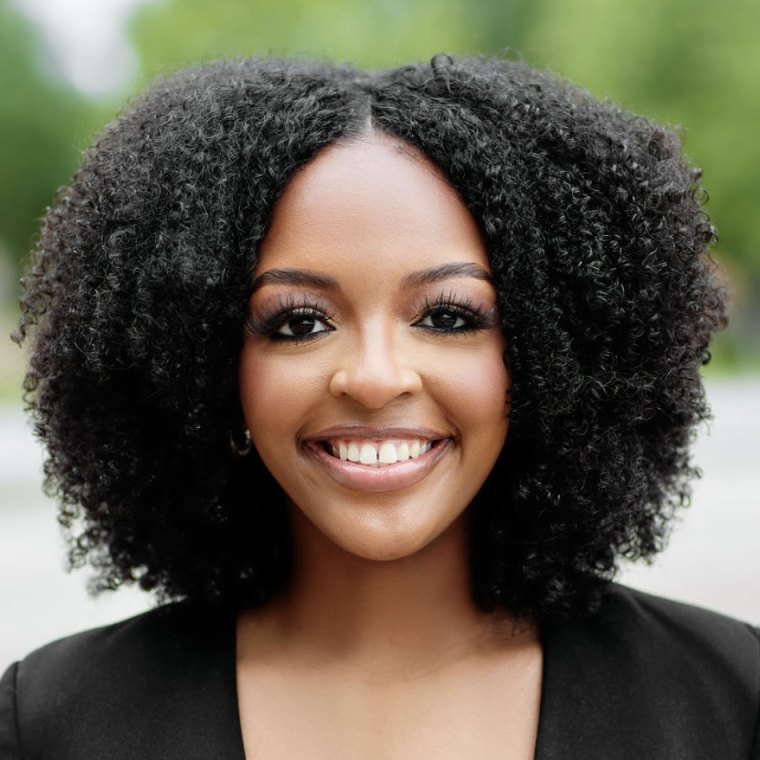
About your therapist
Licensed Clinical Social Worker, board-approved supervisor
I offer an open, nonjudgmental space to explore your thoughts without the need to censor yourself. My approach is honest, supportive, and collaborative.
Together we'll look at what's keeping you stuck, challenge the patterns that no longer serve you, and turn what you learn about yourself into practical steps.
I know starting therapy can feel intimidating, especially when you're not sure where to begin. A short consultation call is an easy way to see if we're a good fit.
Bria
Founder and lead clinician, Day Six Therapy
If you've been asking yourself questions like
Who am I outside of everyone's expectations?
In what ways am I not showing up as my authentic self?
What do I really want from my relationships and my life?
Maybe you're not looking to reinvent yourself. You're tired of overthinking, questioning your choices, or feeling stuck in patterns you want to change. That's where our work begins.
My specialty
Change looks different on everyone. A breakup. A loss. A new diagnosis. A promotion that didn't feel the way you thought it would. Or nothing happened at all, and you're just not showing up as the person you want to be, chasing a version of yourself you can't seem to reach. Any of it can shake how you see yourself. We slow it down, sort out what you want, and build what comes next on purpose.
A new chapter, a role that no longer fits, a decision you keep circling. We make sense of what's changing and what comes next.
Overthinking, second-guessing, a mind that won't settle. We find what's driving it and build ways to steady yourself.
Feeling unmotivated, flat, or overwhelmed. We take it one honest step at a time, at a pace you can keep.
The same argument on repeat, trouble setting boundaries or speaking up, or trust that's been shaken. We can do this work one-on-one or as a couple.
Boundary setting · Self-esteem · Infidelity · Family conflict · Peer relationships · Emotional regulation · Anger management · Stress · Substance use · Women's issues
For adults 19 and older, individuals and couples.
My approach
We start where you are, even if that's mid-spiral. As we talk, I listen for the pattern under the story, the one that keeps coming back in different forms. Then I name it, and we decide together how to work on it.
“Bring the confusion, the questions, the journal entries, the screenshots, and everything in between.”
You set the goals, and we check in on them along the way.
Behind the scenes
I'm a licensed mental health therapist and I use evidence-based practices. I often pull from:
No two clients are the same, and no two sessions are either. I adjust my approach to what you need.
How to get started

Insurance
Therapy can be more affordable than you think. With insurance, your cost per session depends on your plan and may be as little as a copay.
Private pay is welcome at $150 per session. I accept ACH bank transfer, Apple Cash, PayPal and Zelle.

You share what's bringing you in, we answer each other's questions, and we decide together whether to book.
Sessions are online only. My preference is that you join from somewhere you feel comfortable, that's calm and free of distractions.
Anywhere in Texas. I'm licensed in Texas and sessions are online, so you can meet with me from any part of the state.
Yes. I see couples as well as individuals.
It's based on what you need. I usually start with weekly or every other week, and we adjust from there, whether that means more often or less.
Yes. See the plans I accept. Your cost depends on your plan.
Yes. Private pay is $150 per session, and couples pay the same rate as individuals.
No, I don't prescribe. If medication is something you want to explore, I can connect you with a prescriber.
Like a real conversation. We talk about what's going on and what you want to be different. There's no test and no right answers.
Most people don't. Bring whatever you have and we'll sort through it together.
“The first few days were hard. Day six was the hardest. But I realized that day six was actually the good day. Not because it was a perfect day, but because it made day seven, eight, nine, and every day after possible.”
That's the work I do with clients
We don't skip or discredit the hard days. We go through them together, so brighter days ahead are more likely.

Get started
Send a message to set up your free 15-minute consultation and see if we're a good fit. I'd love to hear from you.
Day Six Therapy is not a crisis service. If you are in immediate danger, call 911. For the Suicide and Crisis Lifeline, call or text 988.
For therapists
Your supervision hours can be a box you check, or the years you become a stronger clinician. A lot of social work programs never teach the clinical part. This is where you perfect it.
I'm a board-approved supervisor in Texas for LMSWs working toward their LCSW. I have years of experience in medical social work, substance use treatment, general mental health diagnosis and treatment, and private practice, with clients carrying complex trauma and specific needs.
With me, supervision is clinical. We work your actual cases: what's going on with this client, what the diagnosis is and why, what to do next, and how to document it, with an emphasis on protecting yourself in your practice. You learn to think like a clinician and practice with confidence.